Why Purchasing a Yogurt Maker Online Today Is Your Best Decision for Probiotic Health
Acquiring a yogurt maker presents a convenient solution for those seeking to boosting their digestive health. Homemade yogurt provides multiple health benefits, including the presence of probiotics. With easy-to-use features, a yogurt maker permits customization of flavors and control over ingredients. However, the perks extend beyond health. Understanding the complete range of advantages and options available can help one make an informed decision about this kitchen appliance.
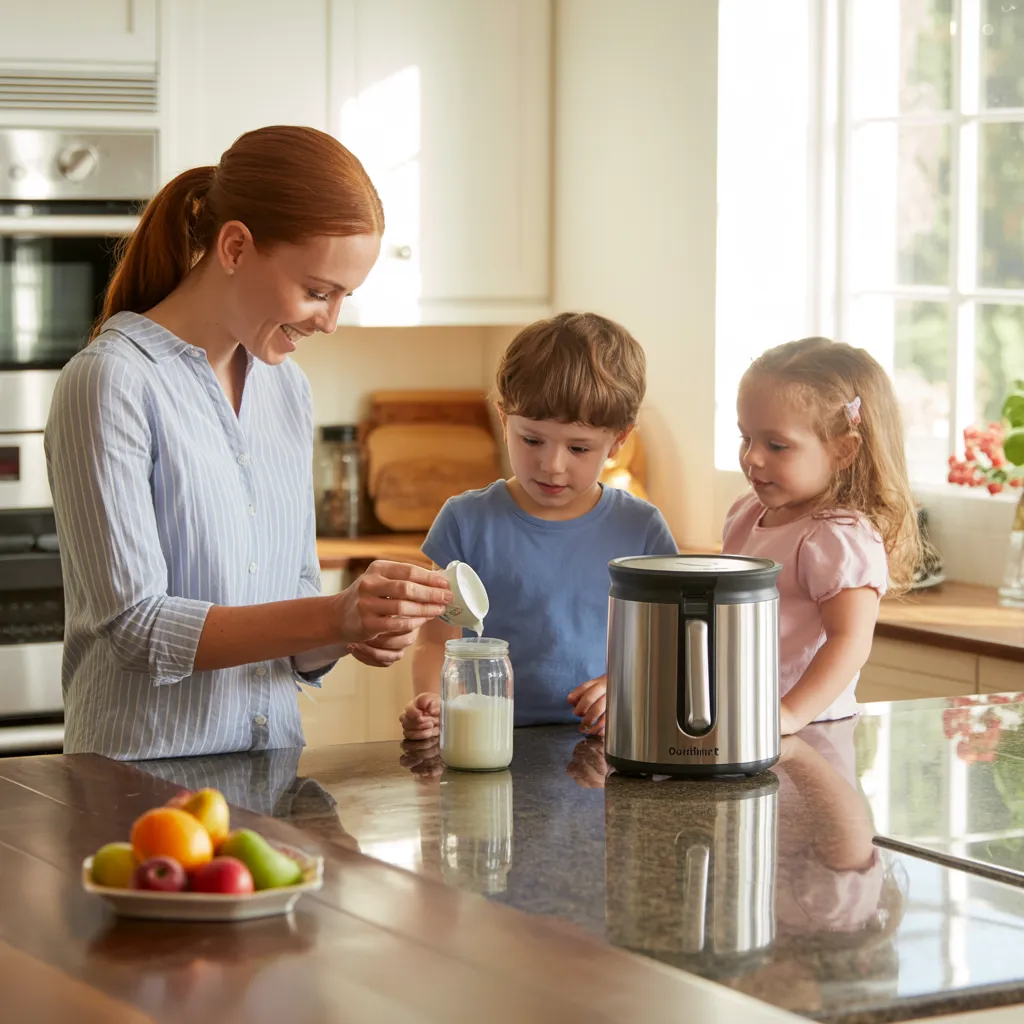
Health Benefits of Making Your Own Yogurt
While lots of people enjoy store-bought yogurt, homemade yogurt offers a Homemade Probiotic Yogurt range of health benefits that can enhance overall well-being. One important advantage is the presence of probiotics, advantageous bacteria that support digestive health. Different from many commercial varieties, which may contain added sugars and preservatives, homemade yogurt allows individuals to control ingredients, producing a purer product.
In addition, homemade yogurt is loaded with nutrients like calcium, protein, and vitamins, which aid in bone health, muscle function, and overall wellness. The fermentation process used in making yogurt also boosts the bioavailability of certain nutrients, making them simpler for the body to absorb.
Furthermore, people with lactose intolerance frequently find homemade yogurt simpler to digest owing to the fermentation process that reduces lactose. This combination of health benefits makes homemade yogurt a healthy choice for those aiming to better their diet and support their overall health.
Simplicity and Authority: The Importance of Having a Yogurt Maker
A yogurt maker streamlines the process of crafting homemade yogurt, making it simple for anyone eager to experiencing its abundant health benefits. With a yogurt maker, users gain notable convenience, as it removes the need for elaborate methods or constant monitoring. A simple push of a button sets the process in motion, permitting users to prioritize other tasks while the machine handles the work.
In addition, a yogurt maker gives unmatched control over ingredients and fermentation time. Users can tailor their yogurt to match personal taste preferences, fine-tuning thickness and tartness according to individual desires. This level of control not only enriches the yogurt-making experience but also confirms that consumers know exactly what goes into their food, fostering healthier eating habits.
Examining Various Yogurt Recipes and Flavors
With a yogurt maker in hand, makers can delve into a selection of yogurt recipes and flavors that cater to different preferences. From traditional plain yogurt to adventurous combinations, the potential is unlimited. One popular option is fruit-infused yogurt, where strawberries, tropical fruits, or stone fruits can be combined for a refreshing twist. For those seeking a savory variation, Greek yogurt can be enhanced with herbs and used as a dip or dressing.
Testing with dairy-free alternatives, such as coconut or almond milk, provides new opportunities for those with dietary restrictions. Including ingredients like honey, vanilla extract, or granola can enhance flavor profiles, while probiotic boosters can increase health benefits. With creativity and a yogurt maker, individuals can tailor their yogurt to suit their preferences, making the yogurt-making process both pleasurable and rewarding. Eventually, the journey of discovering new recipes develops a deeper appreciation for this versatile dairy product.
Cost-Effectiveness of Creating Yogurt at Home
Making yogurt at home can be a economical alternative to getting store-bought varieties, especially when considering the increasing prices of specialty products. The ingredients for homemade yogurt—milk and a yogurt starter—are comparatively inexpensive and can yield multiple batches, providing substantial savings over time. Additionally, commercial yogurts often contain added sugars, artificial flavors, and preservatives, which can even more inflate costs, while homemade options allow for total control over ingredients.
Additionally, by acquiring a yogurt maker, consumers can streamline the process, ensuring consistency and quality without the requirement of expensive equipment. Over time, the initial investment in a yogurt maker is promptly recouped through savings on store-bought products. This not only highlights cost-effectiveness but also supports healthier eating habits. All in all, making yogurt at home presents both a financial gain and an opportunity for customization that store-bought options can't compete with.
Guidelines for Selecting the Right Yogurt Maker Online
How does one make certain they pick the best yogurt maker when purchasing online? First, interested customers should assess the yogurt maker's capacity, guaranteeing it fulfills their household demands, whether for single servings or family servings. Following this, reviewing the features is important; some devices offer adjustable temperature settings and timers, which can elevate the yogurt-making process.
Furthermore, reviewing customer reviews offers insight into the product's performance consistency and effectiveness. Consumers should also look into warranty options to protect their investment.
Another crucial element is the ease of cleaning; removable parts and dishwasher-safe components can greatly simplify maintenance. Finally, evaluating costs across different retailers can help discover the best deal. By concentrating on these key aspects, shoppers can confidently select a yogurt maker that matches their preferences and needs.
Common Questions
How Long Does It Take to Make Yogurt With a Yogurt Maker?
Typically, it takes about 6 to 12 hours to produce yogurt with a yogurt maker, based on the intended thickness and fermentation process. Subsequently, refrigeration is suggested for best taste and texture.
May I Use Non-Dairy Milk in a Yogurt Maker?
Yes, dairy-free milk is usable in a yogurt maker, but it requires specific cultures created for plant-based milks. Modifications in temperature and fermentation duration may also be required to achieve optimal results.
What Yogurt Types Can I Make at Home?
At home, you're able to produce several kinds of yogurt, including conventional dairy yogurt, Greek yogurt, non-dairy alternatives like coconut or almond yogurt, and customized flavors by introducing fruits, herbs, or sweeteners while making it.
Are Special Cleaning or Maintenance Procedures Required for Yogurt Makers?
Yogurt making devices typically need routine cleaning to copyright hygiene and preserve ideal performance. Most units can be conveniently disassembled for detailed cleaning, however individual maintenance requirements may vary somewhat according to the manufacturer and specific model.
Are Yogurt Makers Energy-Saving Appliances?
Yogurt makers are typically energy-efficient devices, consuming minimal electricity in the fermentation process. They usually consume fewer watts than regular ovens or stovetops, making them a practical choice for green-conscious buyers seeking healthy homemade yogurt.