Digestive Health and Acne: Important Guidelines to Transform Your Skin
Maintaining gut health has surfaced as a important factor in achieving clearer skin and addressing acne. Recent studies indicate a strong relationship between gut microbiota and skin condition. By understanding this relationship, individuals can adopt specific dietary and lifestyle changes. These changes may result in improved skin health. What are the essential strategies to boost gut health and, in turn, support clearer skin? The answers may surprise you.
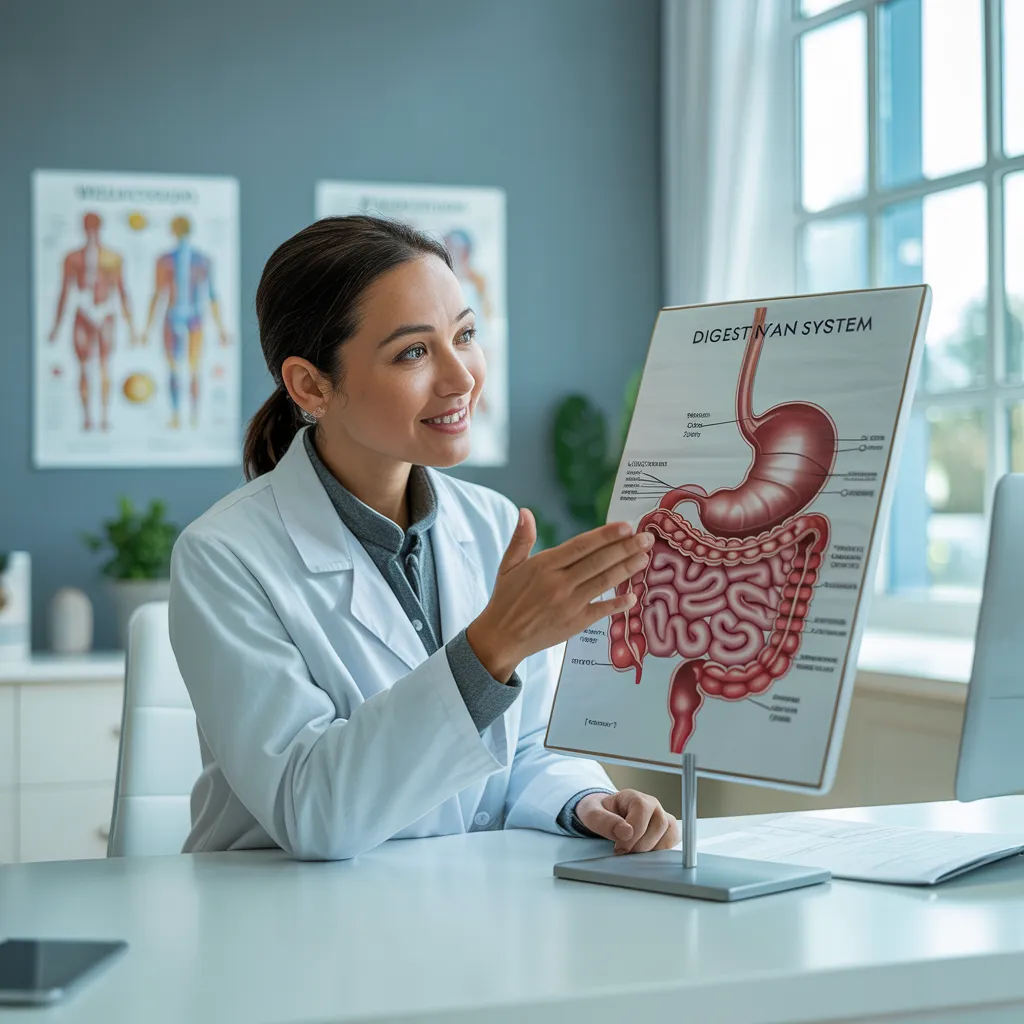
Grasping the Link Between Digestive System and Skin
Even though several may view acne as solely a skin issue, emerging research emphasizes the complex association between gut health and skin conditions. The gut microbiome, consisting of trillions of microorganisms, plays an important role in regulating inflammatory processes and immune responses. Dysbiosis, an imbalance in gut bacteria, can lead to heightened systemic inflammation, which may manifest as skin problems like acne. In addition, the gut is responsible for nutrient absorption and detoxification, both essential for maintaining healthy skin. Studies reveal that certain gastrointestinal disorders are connected with skin issues, indicating that a healthy gut may be essential for clearer skin. Understanding this connection can shift the focus from topical treatments to a more holistic approach that takes into account overall health and wellness.
How to Support Gut Health for Radiant Skin
Improving gut health can substantially help in achieving clear skin. Modifications to your diet, the integration of probiotics, and maintaining adequate hydration are essential strategies to cultivate a well-functioning gut microbiome. These changes not only improve digestive health but also play an important role in improving skin clarity and reducing breakouts.
Nutritional Changes for Health Restoration
To achieve clear skin, one powerful approach involves making targeted dietary changes that improve gut health. Adopting a diet rich in whole, unprocessed foods can substantially benefit skin clarity. Foods high in fiber, such as fruits, vegetables, and whole grains, support healthy digestion and support beneficial gut bacteria. Additionally, including foods rich in omega-3 fatty acids, like fatty fish and walnuts, can help reduce inflammation, which is associated to acne. Lowering sugar intake and avoiding refined carbohydrates are also essential, as these can disrupt gut health and exacerbate skin issues. Finally, staying hydrated by drinking plenty of water aids in overall skin health and helps maintain ideal gut function, further contributing to a clearer complexion.
Probiotics for Healthy Skin
Probiotics fulfill a crucial purpose in boosting intestinal health, which can immediately impact skin clearness. These beneficial bacteria help maintain a balanced intestinal microbiome, reducing inflammation and supporting immune function. Research indicates that a healthy gut can lead to improved skin conditions, encompassing acne. Through encouraging the proliferation of beneficial microorganisms, probiotics may help minimize the consequences of harmful bacteria that may contribute to skin issues. Adding probiotic-dense foods such as yogurt, kefir, and fermented vegetables to one's eating habits can support this balance. Moreover, probiotic supplements can act as a practical substitute for those with dietary restrictions. Ultimately, prioritizing probiotics can be a strategic approach to achieving clearer, healthier skin through improved gut health.
Water Intake and Cleansing Guidelines
Maintaining adequate hydration is essential for maintaining gut health, which, in turn, can enhance skin clarity. Taking in enough water regularly helps to eliminate toxins and promotes digestion, thus fostering a healthier gut microbiome. Herbal teas, such as dandelion or green tea, can also support detoxification while offering antioxidants useful for skin health. Incorporating hydrating foods, such as cucumbers, oranges, and spinach, can further improve hydration levels. Furthermore, reducing consumption of sugary and processed foods can minimize inflammation in the gut, consequently improving skin conditions like acne. Routine physical activity and proper sleep also aid in overall detoxification processes, encouraging both gut health and clearer skin. Focusing on these hydration and detoxification methods can result in noticeable improvements in skin appearance.
Probiotics: Your Partner in Fighting Acne
Probiotics have surfaced as a hopeful ally in the fight against acne, offering numerous benefits for skin health. Diverse types of probiotics can be included in daily routines, enhancing gut microbiome balance and likely reducing inflammation associated to breakouts. Understanding these aspects can help individuals make educated choices about their skincare and dietary habits.
Benefits Of Probiotics
Harnessing the power of beneficial bacteria, probiotics deliver promising results for those seeking clearer skin. Research shows that probiotics can help balance the gut microbiome, which may reduce inflammation and boost overall skin health. By optimizing gut function, they contribute to better digestion and nutrient absorption, potentially leading to healthier skin. Probiotics also may control sebum production, decreasing acne breakouts by preventing clogged pores. Additionally, their anti-inflammatory properties can alleviate redness and swelling associated with acne. Some studies suggest that probiotics might even strengthen the skin barrier, making it more resilient against environmental stressors. In summary, incorporating probiotics into a daily routine could be a strategic approach for individuals looking to enhance their skincare regimen and support acne management.
Different Types Of Probiotics
A diverse range of probiotics can significantly influence skin health and acne management. These positive microorganisms can be classified into various strains, each delivering unique properties. Lactobacillus and Bifidobacterium are two of the most examined genera, noted for their ability to enhance gut health and regulate inflammation. Lactobacillus acidophilus, in particular, has demonstrated potential in reducing acne by balancing skin microbiota. Additionally, Saccharomyces boulardii, a yeast probiotic, may assist overall gut function and better skin conditions. Moreover, specific strains like Lactobacillus rhamnosus have displayed promise in lessening acne severity. Understanding these types of probiotics helps individuals to make informed decisions about their supplementation, potentially bringing about improved skin health and reduced acne flare-ups.
Integrating Probiotics Into Your Daily Routine
Adding probiotics into a daily routine can serve as a potent strategy for those looking to improve their skin health and combat acne. Probiotics, beneficial bacteria that support gut health, can help balance the microbiome, which may impact skin conditions. Regular consumption of probiotics, whether through supplements or fermented foods, can enhance digestion and reduce inflammation, possibly leading to clearer skin. Fermented products like yogurt, kefir, and sauerkraut are outstanding sources. Studies show that a healthy gut microbiome can minimize acne triggers, such as hormonal imbalances and inflammation. By devoting time to include probiotics daily, individuals may not only support their skin health but also promote overall wellness, establishing a holistic approach to acne management.
How Staying Hydrated Improves Gut Health and Eliminates Acne
Whereas many factors contribute to skin health, hydration serves a vital function in maintaining gut health, which in turn can significantly influence acne. Proper water intake facilitates digestion and nutrient absorption, ensuring that the gut microbiome remains balanced. A well-hydrated gut fosters the growth of beneficial bacteria, which can help reduce inflammation and toxins in the body. This balance is essential, as an unhealthy gut may lead to systemic inflammation that manifests as skin issues, including acne. Moreover, hydration helps to remove waste products, decreasing the burden on the skin. By maintaining optimal hydration levels, individuals can promote their gut health, which may result in clearer skin and a reduced likelihood of acne flare-ups.
Handling Stress for Enhanced Skin and Gut Health
In what ways does stress affect the sensitive balance of gut health and skin condition? Stress triggers the release of cortisol, a hormone that can disturb gut microbiota and cause inflammation. This imbalance compromises digestion and nutrient absorption, potentially exacerbating skin conditions like acne. Additionally, stress may lead to unhealthy habits, such as poor dietary choices and inadequate sleep, which can further damage gut and skin health. The gut-brain connection highlights that a healthy gut can reduce stress responses, supporting better overall well-being. Strategies such as mindfulness, exercise, and adequate sleep can aid in managing stress levels. By emphasizing stress management, individuals can boost their gut health and, consequently, elevate their skin condition, creating a positive feedback loop for overall health.
Best Dietary Options for Intestinal Health and Healthy Skin
Managing stress is crucial for preserving both gut health and read the facts clear skin. A well-rounded nutritional plan featuring particular foods can further enhance these benefits. Cultured foods, including yogurt, kimchi, and sauerkraut, are superb sources of live cultures, encouraging healthy intestinal flora. High-fiber produce, including apples, berries, and leafy greens, enhance gut function and help sustain a healthy microbiome. Omega-3 fatty acids found in fatty fish, walnuts, and flaxseeds contain anti-inflammatory characteristics that can boost skin health. Furthermore, nuts and seeds provide essential vitamins and minerals essential for skin repair. Including these ingredients in everyday eating habits can foster a healthier gut environment, which in turn may result in better skin clarity and holistic health.
When to Consult a Professional for Acne Connected to Gut Health
Recognizing when to seek a healthcare provider for acne connected to gut health is essential for effective treatment. Those dealing with persistent acne despite diet modifications and lifestyle adjustments should obtain expert guidance. Signs such as serious inflammation, tender cysts, or broad breakouts may point to an underlying issue that demands medical intervention. Additionally, if gut-related symptoms, such as bloating, diarrhea, or extreme fatigue, appear alongside the acne, it is recommended to contact a healthcare practitioner. A specialist can carry out tests to identify potential disturbances, such as dysbiosis or food allergies, and propose fitting treatments. Early care not only supports managing acne but also promotes overall gut health, bringing about improved skin quality and elevated wellness.
Questions and Answers
Could Gut Health Affect Hormonal Acne Particularly?
Research indicates that gut health can impact hormonal acne by affecting hormone balance and inflammation levels. A healthy gut microbiome may help balance hormones, potentially lessening the severity and occurrence of hormonal acne breakouts.
Are There Any Supplements That Worsen Gut Health?
Particular supplements, specifically high doses of iron, calcium, and magnesium, can disrupt gut health by disrupting nutrient absorption or producing gastrointestinal issues. It's crucial to seek advice from a healthcare professional before commencing any supplementation regimen.
What's the Timeline for Visible Skin Improvements?
Improvements in skin condition can usually be noticed within approximately four to six weeks of starting dietary changes or supplements. However, individual results may differ based on factors such as skin type, intensity of the condition, and overall health.
Can Certain Diets Trigger Acne Despite Good Gut Health?
Specific eating patterns can trigger breakouts, despite maintaining good digestive health. Foods high in sugar, dairy, and refined carbohydrates may contribute to inflammation, leading to breakouts despite an otherwise healthy digestive system.
Does a Connection Exist Between Gut Health and Acne Scarring?
Research indicates a potential association between gut health and acne scarring. An imbalance in gut microbiota may worsen inflammation, which could lead to the severity of acne lesions and consequent scarring in vulnerable individuals.