The Genuine Difference Between Homemade and Store-Bought Yogurt
The difference between homemade and store-bought yogurt reaches beyond mere taste. It covers nutritional benefits, ingredient transparency, and cost considerations. Homemade yogurt frequently delivers higher probiotic levels and fewer additives. In contrast, many store-bought varieties may contain hidden sugars and preservatives. This brings up questions about health implications and personalization. As consumers consider these aspects, the choice becomes more complex. What truly makes one option better over the other?
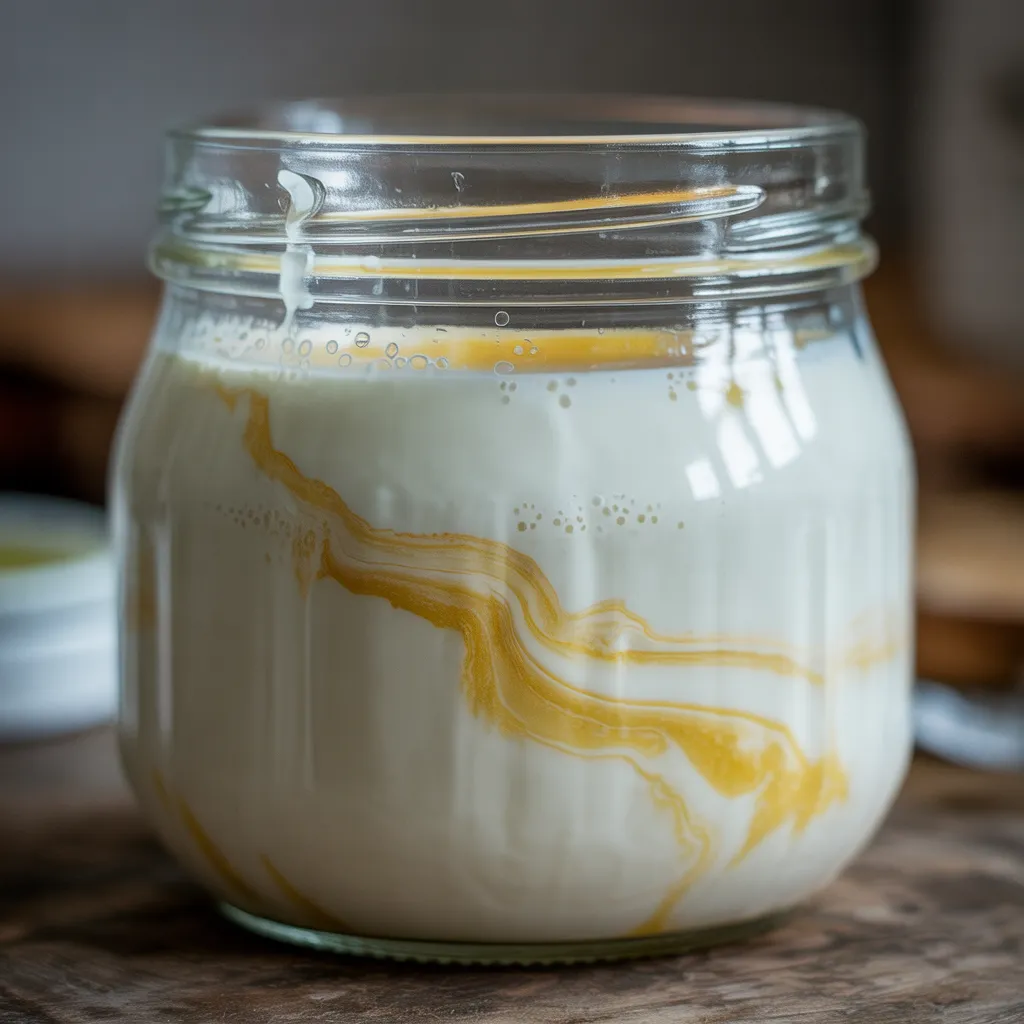
Dietary Benefits: Homemade and Store-Bought Yogurt Compared
In evaluating the nutritional benefits of homemade and store-bought yogurt, one might wonder which option truly offers more advantages. Homemade yogurt typically contains higher probiotic content, as it is often produced with live cultures that can prosper without the preservatives found in many commercial products. This fermentation process can support gut health and digestion.
In contrast, store-bought yogurt typically contains added sugars, flavors, and stabilizers, which can diminish its nutritional value. Nevertheless, it may offer convenience and consistency, catering to those with hectic schedules.
Additionally, homemade yogurt enables control over ingredients, helping individuals to modify flavors and textures to their desires. Both options provide essential nutrients like protein, calcium, and vitamins. Ultimately, the choice between homemade and store-bought yogurt relies on personal preferences and find out about this dietary goals, with each presenting unique nutritional profiles and benefits.
Understanding Ingredient Labels: Transparency in Additives
How can consumers make informed choices about yogurt if they don't understand the labels and additives? Transparency in ingredients performs an essential function in guiding selections. Shop-purchased yogurt typically contains various additives, like thickeners, sweeteners, and preservatives, which can substantially change its nutritional composition. For instance, certain yogurts may include artificial flavors or colors, which some consumers prefer to avoid for health reasons.
Price Analysis: Home-Made versus Store-Purchased Yogurt Pricing
Evaluating the cost differences between homemade and commercially purchased yogurt considers several essential factors, including ingredient expenditures and possible equipment investments. Analyzing these expenses can reveal significant differences in financial commitment. Furthermore, a long-term cost evaluation could emphasize the financial benefits of preparing yogurt at home.
Ingredient Expense Breakdown
A cost breakdown reveals significant differences between homemade and store-bought yogurt. Homemade yogurt typically requires only two primary ingredients: milk and a yogurt starter culture. The cost of milk varies according to type and region, but it generally accounts for the bulk of the expense. A starter culture is a relatively minor cost, especially when considering that a small amount can be reused for subsequent batches. In contrast, store-bought yogurt often includes additional ingredients such as sweeteners, flavorings, and stabilizers, which can increase its price. While convenience drives store-bought yogurt prices, homemade versions can be more economical, particularly for those who consume yogurt regularly. Ultimately, the choice between homemade and store-bought depends on personal preferences regarding cost and ingredient quality.
Equipment Investment Factors
Buying equipment is a crucial element when comparing homemade and store-bought yogurt. For homemade yogurt, upfront expenses can include yogurt makers, thermometers, and containers, which may total between $30 to $150 depending on the selected equipment grade and brand. This initial expenditure can be daunting for some, but it may generate multiple batches of yogurt over time. On the other hand, store-bought yogurt requires no equipment investment, as consumers pay only for the product. However, prices can mount significantly over time, especially with consistent purchasing of premium brands. Ultimately, the choice between homemade and store-bought yogurt can depend on these equipment costs, as well as personal preferences regarding convenience and availability of resources for yogurt-making.
Comprehensive Long-Term Savings Review
Though many consumers might consider the upfront costs of homemade yogurt daunting, a extended savings analysis demonstrates significant differences when compared to the ongoing expenses of store-bought options. Store-bought yogurt typically displays higher price tags, especially for organic or specialty varieties, which can add up rapidly over time. In contrast, the initial investment in yogurt-making equipment can be offset by lower ingredient costs, as bulk purchases of milk and starter cultures are often more cost-effective. Over a year, a family that regularly consumes yogurt might discover that homemade options can save them substantial amounts, often ranging from hundreds to even thousands of dollars. Therefore, the financial advantages of homemade yogurt become increasingly clear with consistent consumption.
Is It Easy to Make Yogurt at Home?
Making yogurt at home is commonly considered straightforward due to the basic ingredients required, such as milk and a yogurt starter. Moreover, the basic equipment needed typically includes a container for fermentation and a way to maintain a warm temperature. These factors contribute to the perception that homemade yogurt is an accessible choice for many.
Basic Components Needed
Making yogurt at home can be surprisingly easy, as it requires only a few basic ingredients. The key components include milk and a yogurt starter culture. Milk can be full-fat, low-fat, or even non-dairy alternatives, depending on personal preference. The yogurt starter, which contains live active cultures, can be commercially available yogurt or a specific yogurt culture packet. These ingredients work together to ferment and create yogurt through a natural process. Optional flavorings, such as honey, fruit, or vanilla, can enhance the taste but are not essential for the basic recipe. This simplicity in ingredient selection is one reason many people find homemade yogurt desirable, allowing for customization while ensuring a nutritious and delicious end product.
Basic Tools You'll Need
Effective yogurt-making at home hinges on having the right equipment. Key tools include a heavy-bottomed pot for heating milk, a thermometer to monitor temperature, and a whisk for mixing. Furthermore, a yogurt starter culture, either from a store-bought yogurt or a dedicated starter, is essential to introduce beneficial bacteria. To maintain a consistent warm temperature for fermentation, a yogurt maker or an insulated container can be used. Some choose to using a simple blanket or towel to keep the container warm. Lastly, jars or containers for storing the finished yogurt are required. With these basic pieces of equipment, anyone can start their journey into homemade yogurt, delivering an easy yet rewarding culinary experience.
Flavor and Texture: How Do They Compare?
What's the difference between homemade and store-bought yogurt in terms of flavor and texture? Homemade varieties typically feature a more fresh and creamy taste, resulting from the use of superior quality ingredients and the omission of preservatives. The fermentation process can also create a more prominent tanginess, which many enthusiasts enjoy. In contrast, store-bought options frequently contain extra sweeteners and flavorings, resulting in a taste that may appeal to a more diverse demographic but is without the authenticity of homemade varieties.
Texture serves as another notable distinction. Homemade yogurt generally features a smoother, creamier texture due to the control over fermentation time and temperature. This provides a luxurious texture that is regularly reduced in mass-produced options, which might be less substantial or sticky owing to stabilizers. Finally, the taste and texture of homemade yogurt offer a unique experience that many find more desirable than store-bought alternatives.
What Type of Yogurt Is Healthier: Store-Bought vs. Homemade?
What offers better health benefits: homemade or store-purchased yogurt? Homemade yogurt typically appears as the superior health choice thanks to its limited ingredients and preservative-free composition. Commonly, it features only milk and beneficial cultures, providing a abundant source of probiotics that enhance gut health. Furthermore, individuals can regulate the fermentation process, affecting the probiotic content and flavor.
On the other hand, store-bought yogurt often contains added sugars, artificial flavors, and stabilizers, which can reduce its nutritional value. While some brands offer low-fat or high-protein options, these may still contain additives that detract from total health benefits.
At the end of the day, the health quality of yogurt relies on individual dietary goals and preferences. Homemade yogurt allows for customization and can be adjusted to specific health goals, while select store-bought varieties can also be nourishing if selected wisely. Careful ingredient scrutiny is vital for both options to maximize health benefits.
Frequently Asked Questions
How Long Does Homemade Yogurt Typically Last in the Fridge?
Homemade yogurt usually stays good for one to three weeks in the refrigerator when maintained properly in an airtight container. Its quality may change based on factors like ingredients and storage conditions, determining overall quality and safety.
Can I Use Non-Dairy Milk to Create Yogurt at Home?
Indeed, plant-based milk may be utilized to create yogurt at home. Various options, including almond, coconut, or soy milk, need specialized cultures and sometimes thickeners to attain the preferred texture and taste.
What Equipment Do I Need to Make Yogurt at Home?
To make yogurt at home, you'll need a suitable container for fermentation, a thermometer to monitor temperature, a whisk for mixing, and optionally, a yogurt maker or an incubator to sustain consistent warmth throughout the process.
Are There Specific Cultures for Different Yogurt Types?
Yes, specific cultures exist for various yogurt types. For instance, Lactobacillus bulgaricus and Streptococcus thermophilus are utilized in traditional yogurt, while alternative cultures can create Greek, Icelandic, or non-dairy yogurt varieties, each presenting distinct flavors and textures.
Can I Flavor Homemade Yogurt Without Additives?
It's possible to flavor homemade yogurt naturally without using additives. Common options include fresh fruits, honey, vanilla extract, or spices. These ingredients enhance taste while maintaining the yogurt's health benefits, providing opportunities for personalized flavor creations.