Beginner's Guide to Probiotic Yogurt: Achieving Perfect Fermentation with a Yogurt Maker
Creating probiotic yogurt at home can be a rewarding experience for beginners. A yogurt maker facilitates the fermentation process, guaranteeing consistent results. Choosing quality ingredients and understanding the fermentation temperature are essential steps. This guide will explore key tips and techniques to achieve the perfect yogurt texture and flavor. With the right approach, homemade yogurt can become a staple in any kitchen. The journey to mastering yogurt-making techniques commences here.
Understanding Probiotics and Their Benefits
While numerous individuals are familiar with probiotics, their precise benefits frequently remain ambiguous. Probiotics are living microorganisms, primarily bacteria, that supply health benefits when consumed in proper amounts. They fulfill an important role in maintaining gut health by stabilizing the gut microbiota, which can influence digestion and nutrient absorption. Research indicates that probiotics may contribute to alleviate symptoms of gastrointestinal disorders, such as irritable bowel syndrome and diarrhea. In addition, they can strengthen immune function, possibly lowering the incidence of infections.
Emerging studies indicate that probiotics may also have mental health benefits, as the gut-brain axis indicates a connection between gut health and mood regulation. Moreover, certain probiotic strains have been connected to better skin health and reduced inflammation. By including foods abundant in probiotics, such as yogurt, individuals can support their overall wellness, making probiotics an important aspect of a balanced diet.
Selecting the Right Yogurt Maker
Choosing the right yogurt maker is essential for proper fermentation. There are numerous types of yogurt makers accessible, each with special features that serve different needs. Knowing these options can help individuals select the best device for their yogurt-making journey.
Yogurt Maker Types
When starting on the related content journey of yogurt making, understanding the different types of yogurt makers is important for achieving the perfect consistency and flavor. There are primarily two categories: electric yogurt makers and non-electric options. Electric yogurt makers often come with precise temperature controls and timers, making them convenient for beginners. They typically include multiple jars for batch production. On the other hand, non-electric yogurt makers require somewhat more manual intervention, utilizing insulated containers or even simple methods like using an oven or a cooler to maintain warmth. Additionally, some home chefs prefer using Instant Pots or slow cookers, which can serve dual purposes. Choosing the right type ultimately depends on personal preferences, available kitchen space, and intended yogurt-making experience.
Essential Features to Review
Picking the right yogurt maker involves several key features that can substantially influence the yogurt-making experience. Initially, the capacity is essential; users should consider how much yogurt they typically consume. Temperature control is another vital factor, as precise settings provide peak fermentation. Some models offer adjustable time settings, allowing customization based on the desired yogurt texture. Moreover, ease of use and cleaning should not be overlooked; simple controls and dishwasher-safe components increase convenience. A yogurt maker with a built-in timer can help users monitor the fermentation process effectively. Finally, durability and warranty are important considerations, guaranteeing the product lasts and provides peace of mind. Assessing these features can lead to a rewarding yogurt-making journey.
Vital Ingredients for Home-Made Yogurt
When preparing homemade yogurt, picking the right ingredients is necessary for attaining the desired texture and taste. This includes picking out appropriate milk types, picking a suitable starter culture, and considering any sweeteners or flavorings to improve the final product. Each component serves a crucial role in the overall quality of the yogurt.
Milk Types and Options
Milk functions as the foundation for homemade yogurt, playing an essential role in determining the final texture and flavor. Different varieties of milk can be used, including whole, skim, and low-fat options. Whole milk typically yields a creamier, richer yogurt, while skim milk results in a lighter consistency. For those seeking alternative options, plant-based milks, such as almond, soy, or coconut, can be used, though they may require additional thickeners to achieve the desired texture. It is important to assess the nutritional content and flavor profile of each milk type, as they can influence the fermentation process. In the end, the choice of milk should align with personal preferences and dietary needs, ensuring a satisfying homemade yogurt experience.
Selecting Starter Cultures
A successful homemade yogurt relies heavily on the selection of an appropriate starter culture, which introduces beneficial bacteria essential for fermentation. Generally, commercial yogurt containing live active cultures serves as an excellent choice for beginners. Look for strains such as Lactobacillus bulgaricus and Streptococcus thermophilus, which are essential for thickening and flavor development. Additionally, some may prefer specific probiotic blends, offering diverse health benefits. When selecting a starter culture, it's important to verify freshness, as older cultures may have reduced viability. For those seeking more control over the fermentation process, purchasing freeze-dried starter cultures can be beneficial. Ultimately, the chosen culture will influence the yogurt's texture, taste, and probiotic content, making its selection a important step in the yogurt-making journey.
Sweetening and Flavoring Ingredients
While the fermentation process is necessary for yogurt's production, sweeteners and flavorings play an equally important role in boosting its taste and appeal. Homemade yogurt can be personalized with numerous sweeteners such as honey, maple syrup, agave nectar, or sugar, allowing individuals to control sweetness levels. Natural flavorings, including vanilla extract, cocoa powder, or fruit purees, can boost the yogurt's taste profile. Fresh fruits, nuts, and seeds can also be included for texture and additional nutrients. When deciding on sweeteners and flavorings, it is important to take into account the balance between health benefits and taste preferences. By playing around with different combinations, yogurt enthusiasts can create a unique product that meets their palate and dietary needs, making homemade yogurt a satisfying experience.
Complete Guide to Preparing Yogurt
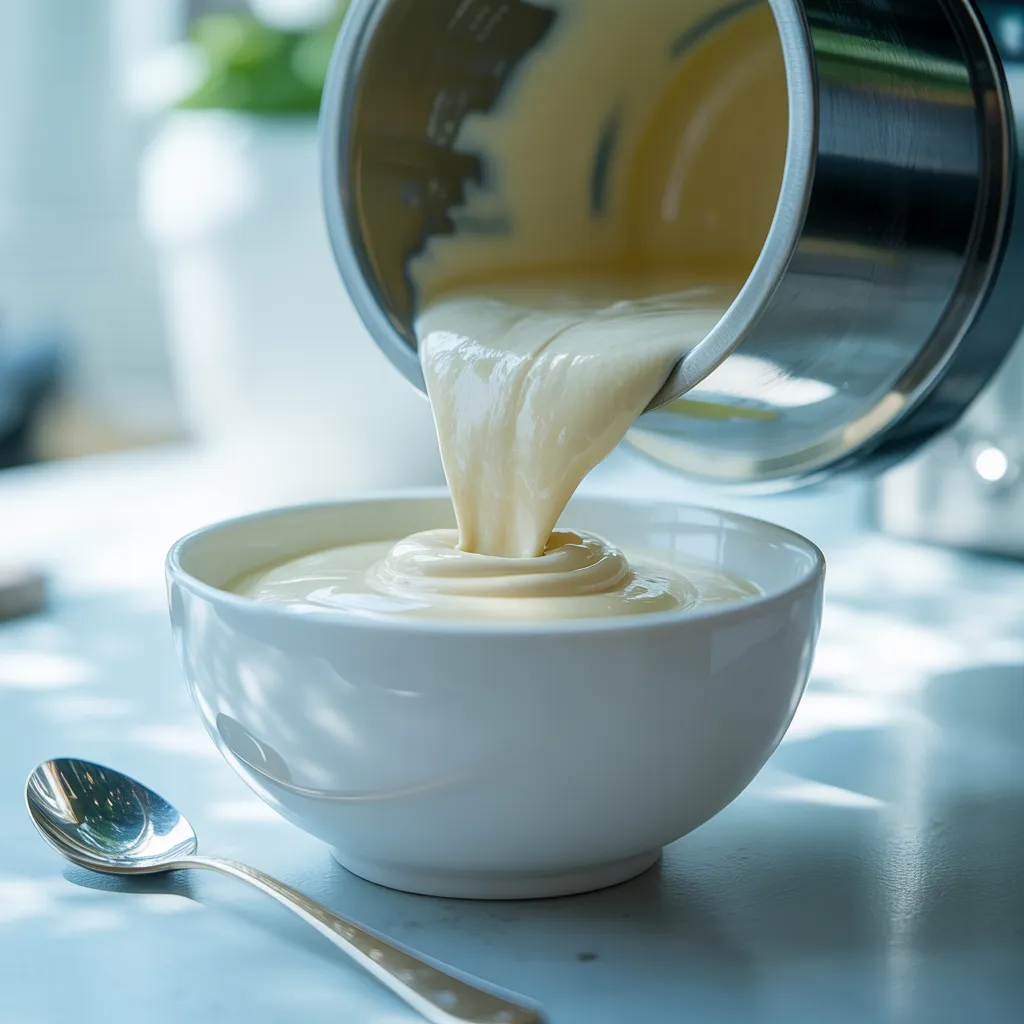
Making yogurt at home can be a rewarding experience that allows for customization and control over ingredients. The process begins by gathering the essential supplies: milk, a yogurt starter containing live cultures, and a yogurt maker. First, the milk should be heated to around 180°F to eliminate any unwanted bacteria, then cooled to around 110°F. Once cooled, a small amount of yogurt starter is mixed into the milk, ensuring it is evenly distributed. This mixture is then poured into the yogurt maker and set to ferment for a recommended period, typically between 6 to 12 hours, depending on desired thickness and tartness. After fermentation, the yogurt is refrigerated to halt the process. Finally, it can be consumed plain, or flavored with fruits, sweeteners, or spices, satisfying personal preferences. With practice, this homemade yogurt can become a wonderful staple in any diet.
Recommendations for Reaching Flawless Fermentation
Reaching perfect fermentation is essential for creating smooth, flavorful yogurt, and multiple key factors can significantly influence the outcome. First, maintaining an optimal temperature is critical; most yogurts require a stable environment between 110°F to 115°F. This temperature promotes the growth of beneficial bacteria while suppressing harmful pathogens. Second, selecting top-quality starter cultures ensures that the desired probiotics thrive during fermentation. Recently prepared, live cultures will produce better results compared to older or inactive ones.
Moreover, the length of fermentation is essential; longer fermentation periods can boost the tanginess and thickness, while shorter periods create a milder flavor. It is also essential to use fresh milk, as the quality significantly affects the yogurt's texture and taste. Finally, avoiding disturbances during the fermentation process supports preserving a steady environment, letting the bacteria to work efficiently without interruption. Implementing these tips can produce a successful yogurt-making experience.
Enhancing and Tailoring Your Yogurt
Adding flavor to and personalizing yogurt enables a personalized touch that can boost the taste and appeal of homemade creations. Following the fermentation process, different ingredients can be incorporated to elevate flavor profiles. Fruit, such as berries, sliced bananas, or peaches, deliver natural sweetness and vibrant colors. For those looking for a richer flavor, honey or pure maple syrup can be incorporated, while vanilla extract delivers a classic touch.
Aromatic spices like cinnamon or nutmeg bring warmth and intricacy, making yogurt suitable for different occasions. For a tangy twist, citrus zest or a splash of lemon juice can brighten the overall taste. Furthermore, granola or nut butters can be incorporated for added texture, creating a delightful contrast.
Experimenting with these ingredients promotes creativity, enabling individuals to adapt their yogurt to individual preferences. In the end, personalizing yogurt transforms a simple dish into an enjoyable and tasty experience.
Keeping and Using Your Home-Made Yogurt
Once the yogurt has been prepared successfully, adequate storage is necessary to keep its freshness and probiotic properties. Homemade yogurt should be stored in clean, airtight containers to inhibit contamination and spoilage. Glass jars or plastic containers with tight-fitting lids are optimal for this purpose.
It's recommended to refrigerate the yogurt right after making it to reduce bacterial activity and maintain flavor and texture. When stored correctly, homemade yogurt can last for up to two weeks.
Regarding usage, yogurt can be consumed plain or used as a base for desserts, smoothies, or salad dressings. Incorporating honey, fruits, or granola can increase its taste and nutritional value. Additionally, yogurt can be frozen for extended storage, though this may change its texture upon thawing. By following these storage and usage tips, one can completely enjoy the advantages of homemade probiotic yogurt.
Popular Questions
Can I Use Non-Dairy Milk for Yogurt Making?
Yogurt making with non-dairy milk is certainly possible. That said, you may need particular cultures and adaptations to obtain the ideal consistency and flavor, as the culturing process diverges from classic dairy yogurt.
What Is the Shelf Life of Yogurt in the Refrigerator?
Yogurt commonly stays good for between one and three weeks when refrigerated if stored correctly. Signs of spoilage include unusual odors, texture changes, or visible mold; as a result, frequent inspections are recommended for preserving quality and safety.
Can I Reuse Yogurt Starter After Fermentation?
Yogurt starter may be reused once fermentation has completed. That said, its effectiveness tends to decline gradually. To preserve ideal outcomes, it's best to limit reuse frequency and periodically incorporate fresh starter cultures.
What Occurs When Fermentation Temperature Is Too Low?
If the fermentation temperature is too low, the yogurt cultures can become inactive, causing inadequate fermentation. This may result in a thinner texture, absence of tanginess, and decreased probiotic benefits, eventually compromising the quality of the yogurt.
Is It Safe to Eat Expired Yogurt?
Yogurt past its expiration date might still be safe for consumption if it exhibits no indicators of spoilage, such as unpleasant odors or mold. However, its quality and probiotic benefits may diminish considerably past the expiration date.