The Perks of Making Fermented Foods at Home
Producing fermented foods at home presents various advantages worth considering. The wellness advantages are substantial, providing a boost to gut health and immunity. Furthermore, it offers a sustainable and cost-effective method to use simple ingredients. Beyond practical benefits, fermentation invites creativity in flavoring and process. As home cooks explore this food preparation technique, they may encounter unanticipated connections with others. What lies beyond these primary positive outcomes?
Health Perks of Fermented Foods
Although many people might not know it, fermented foods provide a range of health benefits that can boost general wellness. These foods, which include kimchi, sauerkraut, and yogurt, are rich in probiotics, beneficial bacteria that support digestive health. By consuming fermented foods, users may observe improved gut flora, resulting in improved digestion and nutritional uptake. Moreover, these foods can bolster the immune system, enabling the body fight off illnesses. The fermentation process also elevates the bioavailability of specific nutrients, making essential nutrients more accessible. Moreover, fermented foods have been linked to reduced inflammation and may even promote mental health improvements, as new research suggests a connection between gut health and mood stability. Overall, adding fermented foods into a person's diet can support a healthier lifestyle.
Cost-Efficient and Sustainable
Fermented foods can be a remarkably cost-effective and sustainable choice for families looking to improve their diets. By employing inexpensive ingredients like vegetables, grains, and dairy products, families can prepare wholesome meals at a fraction of the cost of store-bought options. Home fermentation reduces food waste, as it permits individuals to use surplus produce that might otherwise spoil. This process also reduces the reliance on packaged goods, resulting in a decrease in plastic waste and carbon footprints. Furthermore, preparing fermented foods at home allows individuals to control their food sources and promotes self-sufficiency. Ultimately, the practice of fermenting at home aligns with both economic and environmental sustainability, enabling families to gain health benefits without burdening their budgets or harming the planet.
Custom Options and Flavor Innovation
As individuals start the journey of home fermentation, they uncover a world of customization and flavor exploration that store-bought options simply fail to match. Each batch of fermented food becomes a unique expression of personal taste, enabling people to experiment with various ingredients, spices, and fermentation times. This creative freedom can result in unexpected flavor combinations, elevating the culinary experience. For instance, a simple vegetable kimchi can be modified with different vegetables, herbs, or heat levels to suit individual preferences. Additionally, the ability to control the fermentation process enables individuals to achieve desired textures and tanginess, resulting in truly personalized creations. Ultimately, home fermentation fosters a deeper connection to food, encouraging innovation and innovation in the kitchen.
Easy Fermenting Methods for Those Starting Out
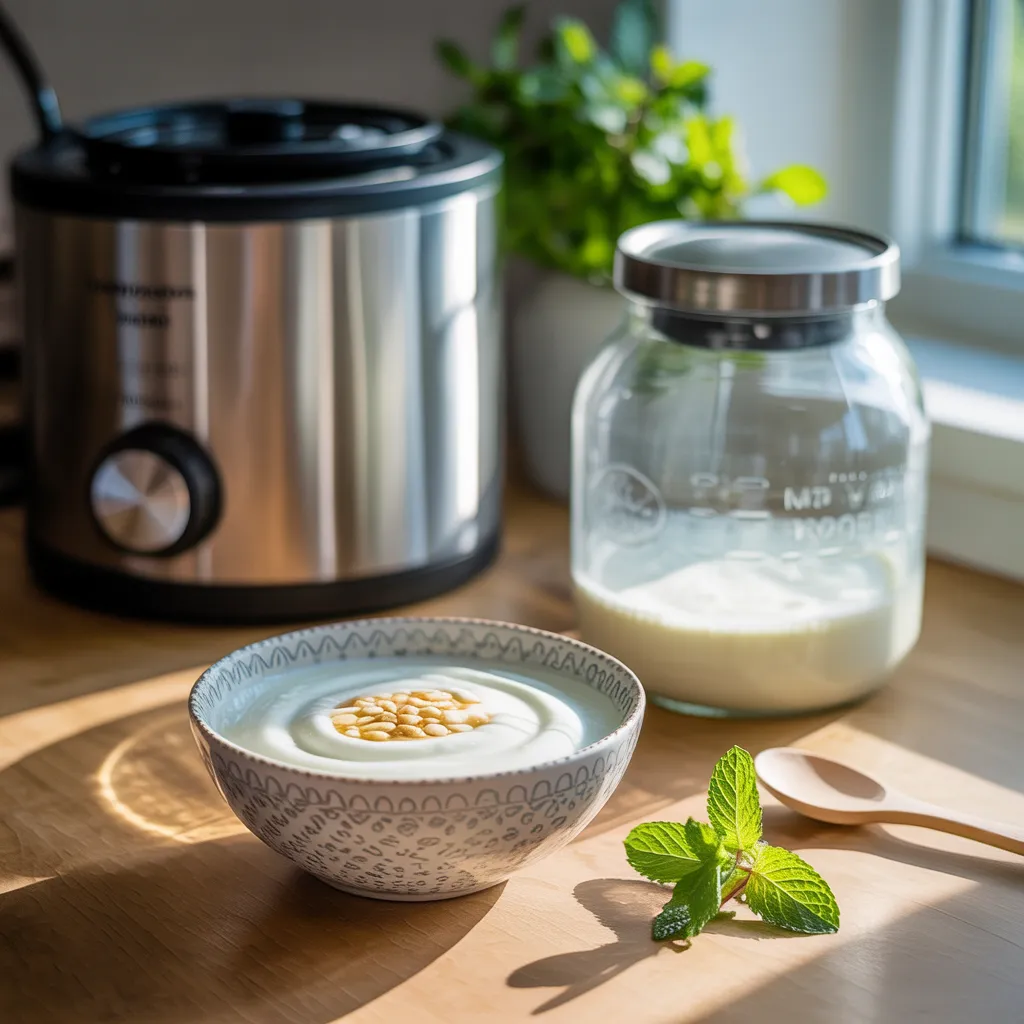
Discovering the world of fermentation can be extremely fulfilling, especially for those just starting with the practice. Straightforward techniques, such as lacto-fermentation, present an accessible entry point. Beginners can commence with vegetables like cabbage or carrots, using a saltwater brine to create an environment for beneficial bacteria. The process typically involves cutting the vegetables, combining them with salt, and allowing them to ferment in a jar for several days. Another straightforward method is making yogurt at home, requiring just milk and a yogurt starter. Keeping the mixture warm encourages bacterial growth. Furthermore, creating a basic sourdough starter from flour and water familiarizes individuals to the art of bread fermentation, fostering confidence and curiosity in this age-old culinary tradition.
Developing a Community Via Fermentation
What role does fermentation play in connecting passionate practitioners? Beyond creating flavorful foods, fermentation establishes a dynamic community for those who practice this craft. Practitioners frequently exchange methods, formulas, and advice, cultivating an atmosphere of cooperation and education. Regional classes and internet communities function as venues for participants to trade stories and tips, creating bonds through mutual enthusiasm. Community events, such as potlucks featuring homemade ferments, encourage social interaction and appreciation for diverse flavors. As enthusiasts form relationships around their fermentation adventures, they establish support systems that advance their capabilities and wisdom. In the end, fermentation unites individuals, converting an individual activity into a communal appreciation of culinary art and innovation.
Frequently Asked Questions
What Do I Need to Get Started with Fermenting at Home?
To begin fermentation at home, one requires fundamental equipment: fermentation crocks or glass jars, airlocks, weights, a non-metal stirring utensil, and a thermometer. Supplementary equipment include pH strips and fermentation lids for enhanced control.
How Much Time Does Fermentation Usually Require for Various Foods?
Fermentation periods change according to food category. For example, sauerkraut takes 1-4 weeks, kimchi additional article requires 1-2 weeks, and yogurt generally ferments for 4-12 hours. Conditions like temperature and desired taste also affect the duration considerably.
Can I Use Store-Bought Ingredients for Fermentation?
Store-bought ingredients are suitable for fermentation purposes. Nevertheless, how fresh and high-quality these ingredients are can affect both fermentation and final taste, so selecting high-quality products is advisable for best results.
What Signs Indicate That Fermentation Has Gone Bad?
Indicators of faulty fermentation include foul odors, strange colors, excessive mold growth, or a slimy texture. If the final product tastes overly bitter or sour, it may indicate that fermentation has not progressed correctly.
What Safety Concerns Exist With Home Fermentation?
Fermenting at home may present safety risks, including the risk of pathogenic microorganisms or mold proliferation. Proper sanitation, complying with recipe instructions, and monitoring fermentation conditions are crucial to assure safe and successful outcomes while decreasing health risks.